Elpress Insights: Renewable Energy
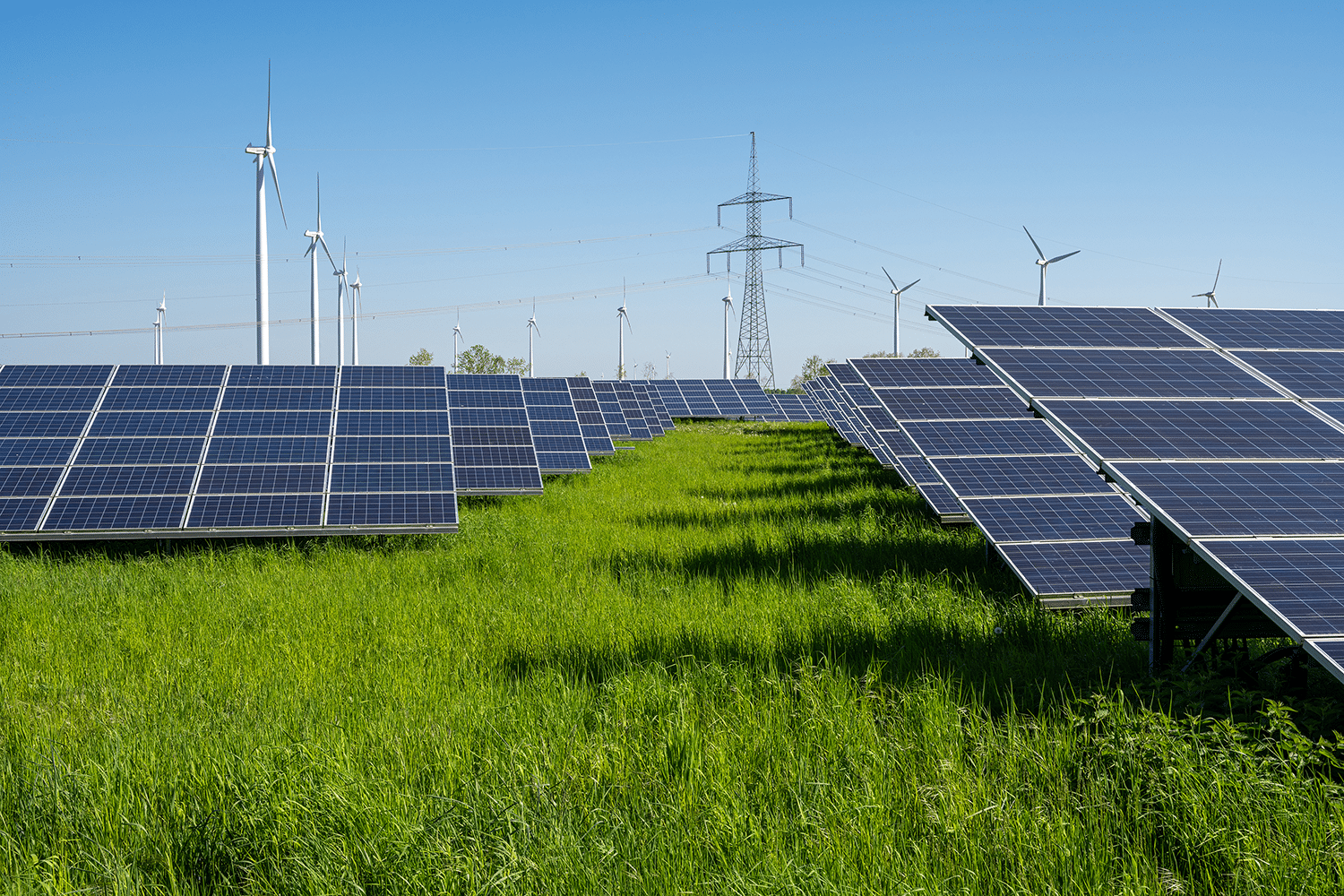
As the global energy demand accelerates, conversation is often focused on technologies. Solar. Wind. Hydrogen. Battery Energy Storage Systems (BESS).
But according to Henrik Høj Rasmussen, Global Manager for Renewable Energy at Elpress, the real story is not about individual technologies. With over a decade of experience in the renewable energy sector, particularly within wind power, Henrik brings a broad, global perspective. Before joining Elpress in 2020, he worked closely with developers and engineers across multiple energy segments worldwide, gaining hands-on insight into how these systems are designed, built, and operated in practice.
“It’s about how everything connects together”
– Because they are connected and combined in real life.
Why System Thinking matters
From Henrik’s perspective, one of the biggest misconceptions in the renewable energy sector is treating each part as a standalone solution.
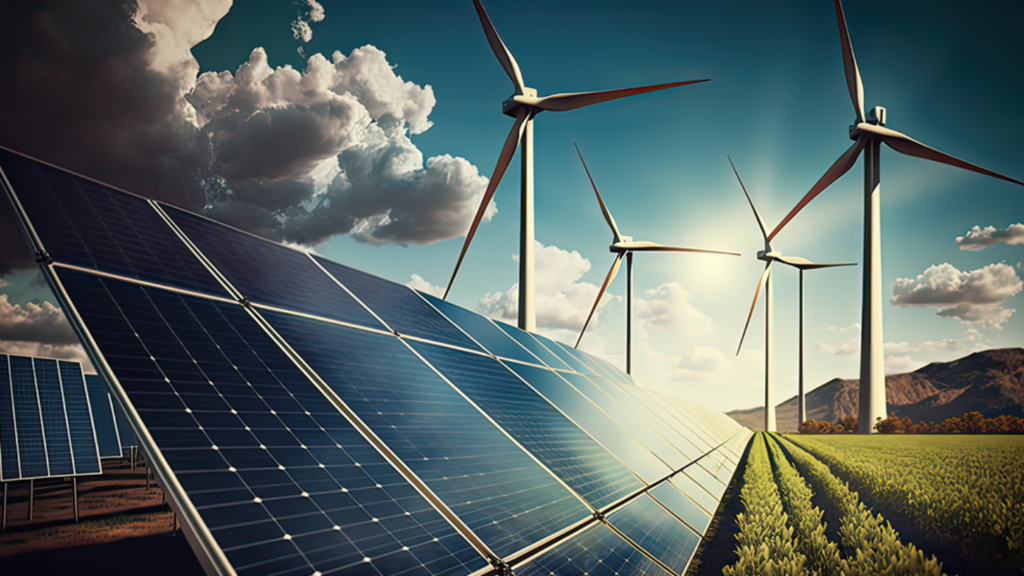
“In reality, these systems are deeply interconnected. Solar feeds into storage. Wind requires balance. Hydrogen depends on stable power input. And BESS ties it all together.”
This growing interdependence is happening at the same time as global energy demand is increasing and entire regions are transitioning away from fossil fuels, to fight climate changes, and to add more (and greener) energy to the growing demand from Datacenters and in general growing industries.
At the same time, many existing power grids are aging and under extreme pressure. With the downside of getting grid connections approvals for new and green energy sources.
“That’s why for example BESS installations are becoming so important. They don’t just store energy. They stabilize the entire system and also act as an UPS (Uninterrupted power supply) unit. If and when there are power outages.”
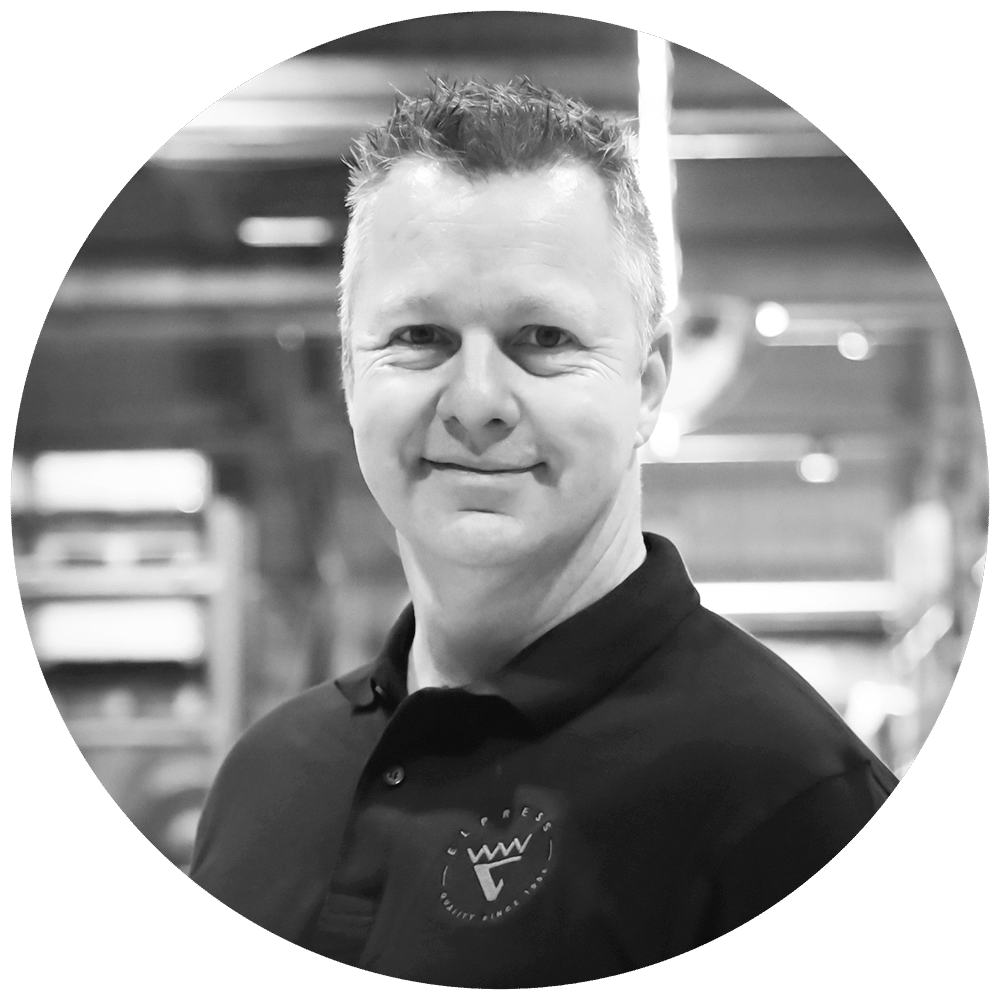
Global Account Manager
Renewable Energy
Henrik Høj Rasmussen
Where things go wrong
Despite high-level engineering and planning, Henrik sees recurring challenges once projects move into execution.
“The weakest point is often not the design itself, but how the connections between components are handled. That part is frequently left undefined and pushed to the field. Without proper knowledge for the installation crew and the need for a tested system solution in place, it creates uncertainty. And that’s where problems start to appear during installation.”
Drawing from his experience working directly with international projects, he highlights several common issues:
- Lack of knowledge around how to correctly connect different parts of a renewable installation
- Use of non-tested or mixed components
- Incorrect combinations of connectors and tools
- Missing system thinking during installation
“These are critical mistakes. A single poor connection can affect the performance of the entire facility.”
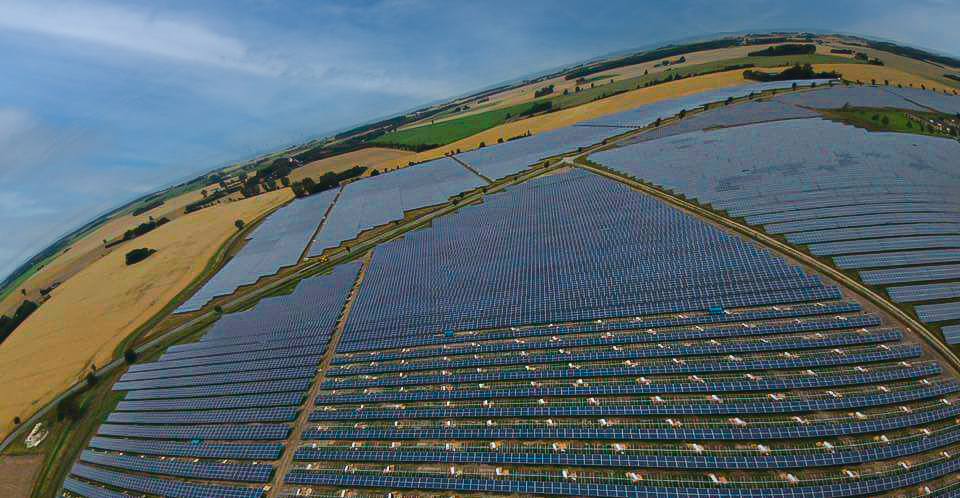
According to investigations, more than 80% of errors occur in the electrical system in a PV site. These problems can be solved with the right knowledge about the use of a system solution.
The role of Secure Connections
This is where Elpress enters the scene.
“Our role is to make sure that all these systems are connected in a way that is safe, reliable, and proven over time,” Henrik explains.
Elpress solutions are used across the full chain:
- Between inverters and transformers
- Within battery systems
- Towards the grid
“We are not just supplying a connector. We are part of ensuring that the entire energy system works as intended.”
Key elements include:
- Bi-metallic connectors for aluminum-to-copper transitions
- Grounding solutions such as C-sleeves
- Copper terminals like the KRF series
- Cable cleats for mechanical stability
- A complete ecosystem of tools, service, and support
“All components are tested. And just as importantly, they are designed to work together.”
From product to system responsibility
Henrik understates that the industry needs to shift its mindset.
“Too often, the question is: ‘Which connector do I need?’
But that’s the wrong starting point.”
Instead, he argues for a system approach:
“What you should be asking is: ‘What complete solution ensures long-term performance?’”
This is also where education becomes essential.
“Across many markets, there is still a gap in knowledge when it comes to installation and system thinking. That’s something we actively work to improve.”
Through Elpress Academy and project support, this knowledge is transferred to customers and partners worldwide.
Experience from real projects
Henrik points to several real-world examples across Europe and beyond.
“We see it in BESS projects worldwide. Elpress has been involved in these kinds of projects in for example Denmark and the UK. In solar installations in Germany and USA etc. In wind applications globally.”
The pattern is consistent.
“When tested systems, correct tools, and proper knowledge are combined, the installations perform as they should. When they are not – problems follow.”
Looking ahead
The future of renewable energy will bring even greater complexity.
“Larger installations. More integration between technologies. Higher demands on documentation and safety.”
At the same time, expectations on reliability will increase.
“This puts even more focus on something that is often overlooked: the electrical connection.”
Final advice from the field
Henrik is clear in his recommendation:
“Don’t leave something this critical to chance.
Don’t rely on unverified components or inexperienced installation.”
Instead:
“Work with tested systems.
Use the right tools.
And involve experts early in the process.”
Because in a fully connected energy system, every detail matters.
“And every connection carry responsibility.”
Key Industry: Renewable Energy
At Elpress, Renewable Energy is one of our key industries, where we support the full transition from generation to grid.
Expert insight
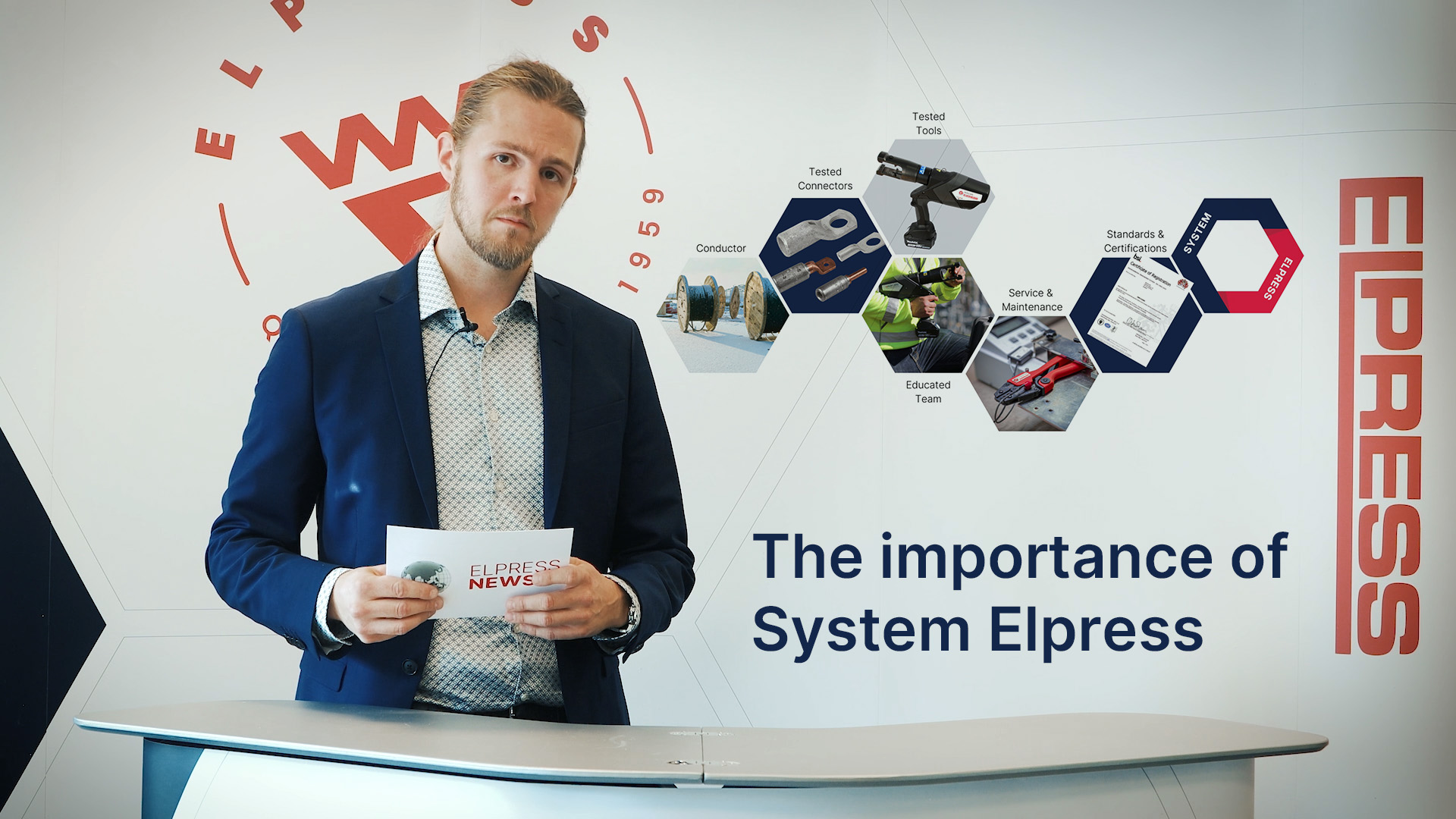
Henrik, Global Manager Renewable Energy, represents Elpress’ global expertise within wind, solar, BESS and hydrogen – with more than 10 years of hands-on industry experience.
Where we create value
Elpress solutions are used across the entire energy chain:
• Between inverters and transformers
• Inside battery energy storage systems (BESS)
• In connections towards the grid
Why system thinking matters
• Technologies are interconnected – failures rarely happen in isolation
• More than 80% of electrical issues in PV sites are linked to connection errors
• Proven, tested systems reduce risk and ensure long-term performance
What we deliver
• Bi-metallic connectors for Al–Cu transitions
• Copper terminals (KRF series)
• Grounding solutions such as C-sleeves
• Mechanical cable management (cable cleats)
• A complete system of tools, training and support
Our role
We don’t just supply components.
We ensure that every connection contributes to a safe, reliable and fully functioning energy system.